


Portfolio Returns
March was brutal for markets as Iran blindsided stocks, gold and silver, and bonds. Pretty much everything but Bitcoin.
On the month, the benchmark S&P 500 lost 4.4%, while my two portfolios lost 3% in the “Market Neutral” portfolio and 7% in the “Adrenaline” long-only portfolio.
This brought year to date returns to minus 4.5% on the S&P, plus 4.6% on the “Market Neutral” portfolio, and minus 5.5% on the “Adrenaline” portfolio.
Annualized, that’s minus 17% on the S&P, plus 20% on Market Neutral, and minus 20% on Adrenaline,.
Breaking it down, on the month growth picks lost 5.5% — growth typically goes down harder when markets fall.
In the market neutral portfolio this was cancelled by shorts, which lost a pleasing 5.9% — so you made money.
But the hedges — gold, silver, Bitcoin — lost a sobering 10.6% on the month. Driven by gold’s 11% loss on the month, silver’s 23% loss, all while Bitcoin rose a modest 2%.
In short, broad stocks, growth stocks, and Bitcoin did what you expect in a sudden war, while gold and silver — which usually rise during war — tanked. Probably because both were in meme-stock territory the previous six months and the paper-hand tourists bailed.
Economy
A lot has changed since the March newsletter, written the day before the war started.
Oil added $50 a barrel, which nearly doubled inflation expectations — they went from 3% to 5%.
On GDP, the Fed’s GDPnow indicator dropped from 3.5% pre-war to just 1.6%. So growth got cut in half economywide.
Rule of thumb is a percent of GDP is worth a million jobs. So if the war keeps going this will increasingly show up as lost jobs which will, of course, hand the midterm elections to Democrats.
Now, I normally focus on the economy, but at the moment all eyes are on Iran.
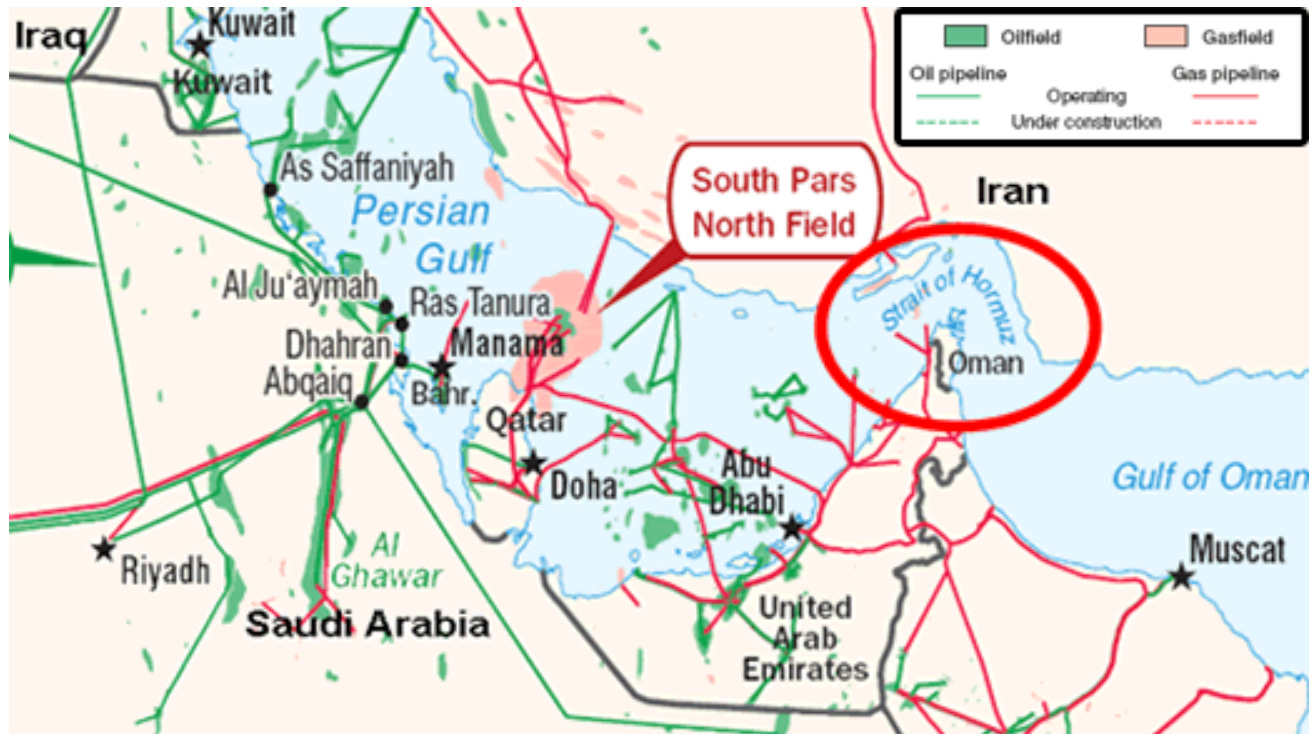
Namely, how long will Iran disrupt oil. Because it’s not the war itself that’s crushing markets — Clinton bombed Iraq periodically throughout the 1990’s and markets didn’t care.
So it’s really about how long oil will be disrupted.
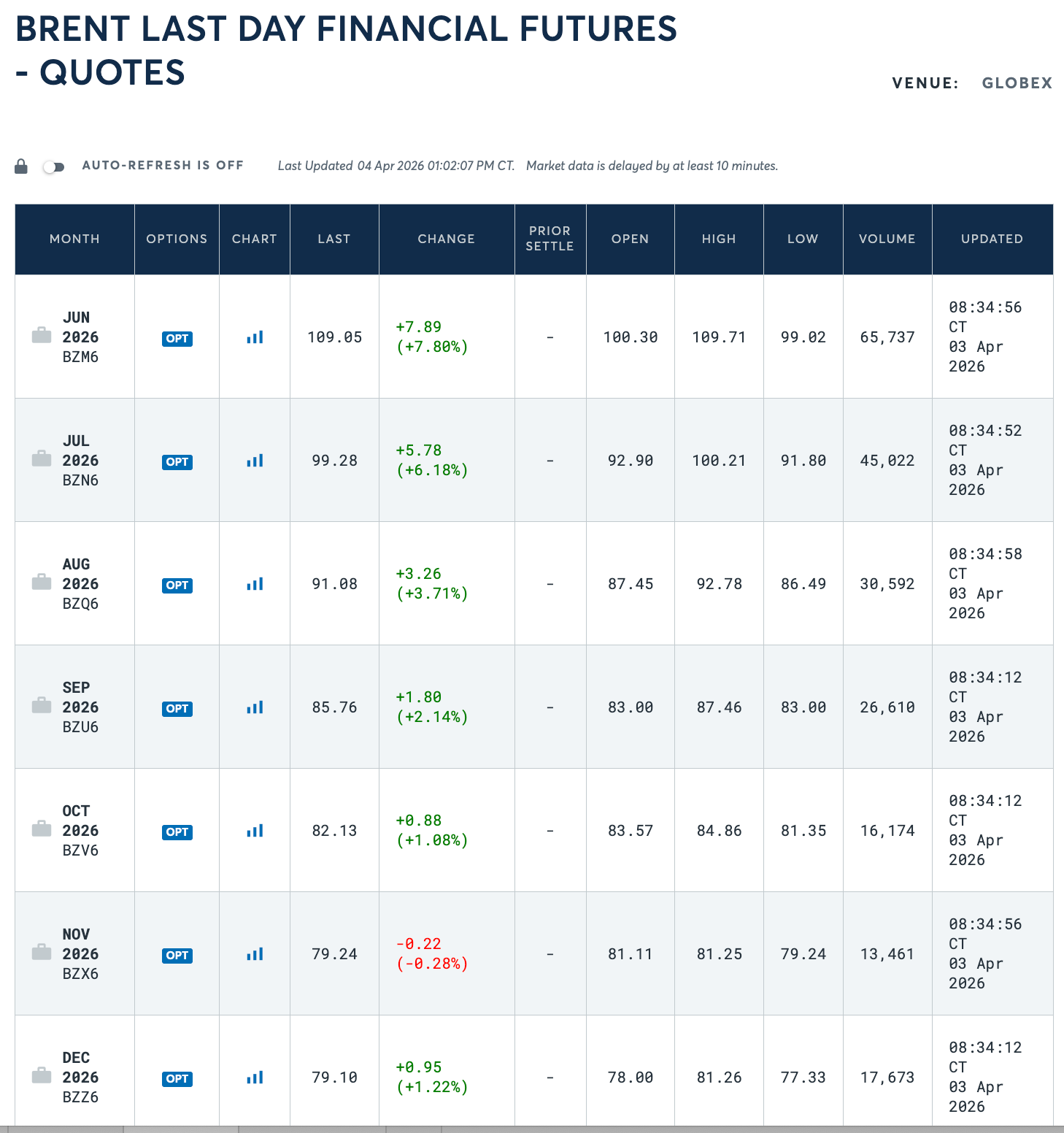
For that, there’s 2 indicators you can watch in real-time: Oil futures, and prediction market odds of a ceasefire.
Between the two, oil futures are more optimistic, estimating 60% odds of a ceasefire by September, 70% by October, and 80% by the end of the year.
While prediction markets say we’re 45% odds of a ceasefire by July and just 71% by the end of the year.
Either way, they expect the war to continue past Trump’s original 2 month promise, which would wrap things up by end-April.
This is partly because the hoped-for uprising by the Iranian people hasn’t occurred. And it’s partly because the regime itself seems to be more secure than ever. Polymarket odds of Iranian regime change are actually lower than they were the day Trump started bombing.
So even if Trump decides to stop bombing, both oil markets and prediction markets think it may keep going.
Investment Impact
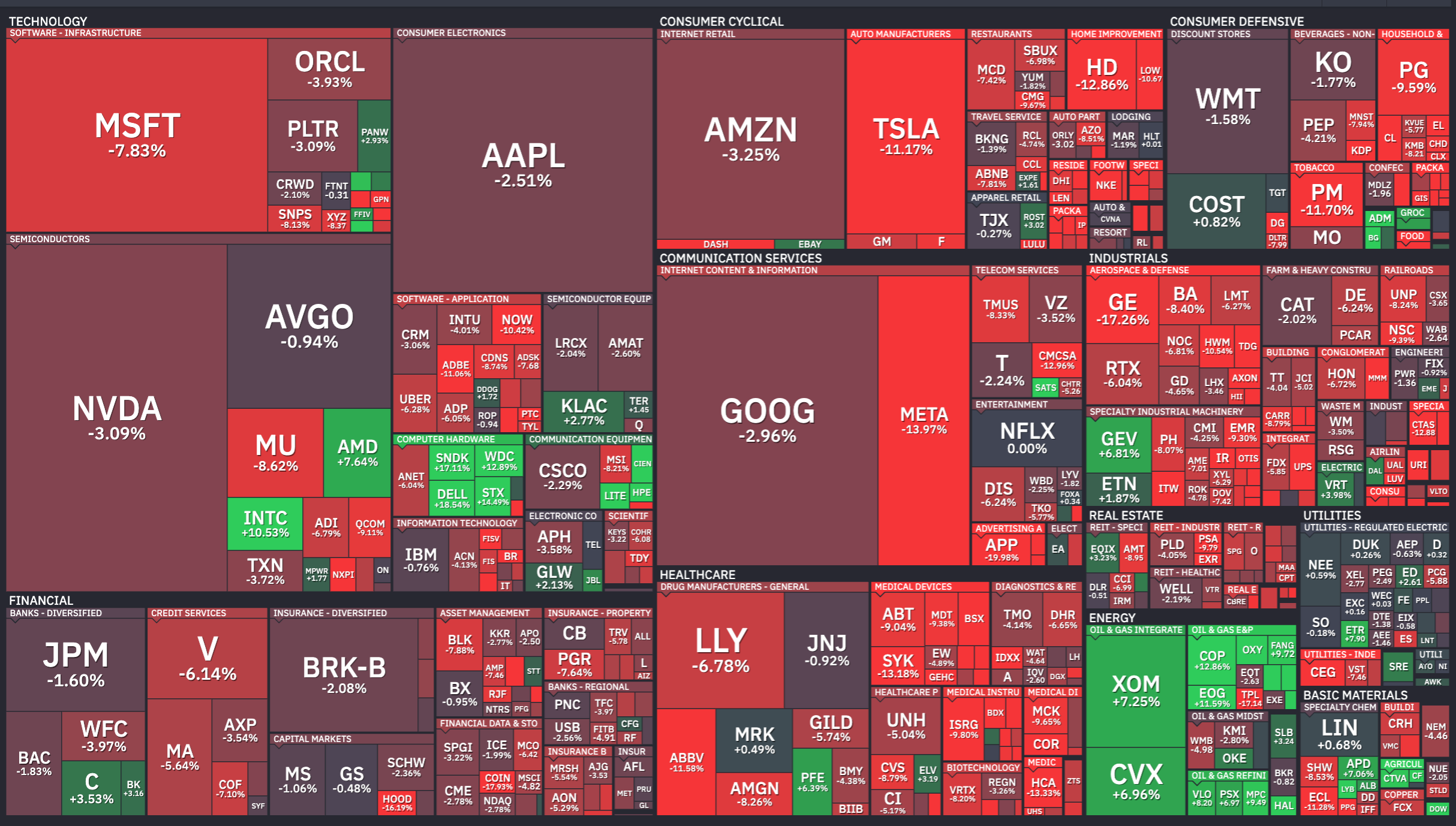
Pretty much everything that did really well just before the war did terrible since the war. This is because wars set off a flight to safety, and investors start by selling their winners.
To illustrate, in January and February the benchmark S&P 500 (SPY) rose just 0.6% -- annualized 3.6%. Which is historically very low -- it’s averaged 11% per year since 2000. But it’s still growth.
But since the war, SPY is down 4.4% in a month. Which is annualized 58% -- full-blown recession moves.
Gold and silver have been the same pattern on steroids: In January and February gold (GLD) rose 22% and silver (SLV) 32%.
Which translate to goofy annualized rates -- 231% for gold and 427% for silver.
And then... similarly goofy drops in the war: In a single month GLD lost 11% while SLV lost 23%.
Which translate to annualized losses of 76% in gold and 95% (!) in silver.
What’s Next
Everything depends how long the war goes. If it keeps going through 2027 inflation soars from oil and government spending, while oil crushes GDP, jobs -- and apparently any investment outside energy and defense stocks.
But if it ends fast, the fundamentals are unchanged and we return to the pre-war economy of fast growth, peak productivity, falling inflation and rising jobs.
The problem for investing the war is Trump is almost uniquely chaotic — at 2pm the war’s wrapping up, by 4pm we’ll bomb Teheran into dust.
So unless you saw the war coming your assets already took the hit but if you now flip into a war portfolio of energy and defense you risk getting double-slammed if there’s a surprise ceasefire. Cry twice.
So investing the war is collecting dimes in front of steamrollers. I’d sleep better investing the pre-war economy and waiting out the storm.
Portfolios
So with that, an update on the portfolio compositions and tweaks-- both the “Adrenaline” growth portfolio and the “Market Neutral” portfolio.