

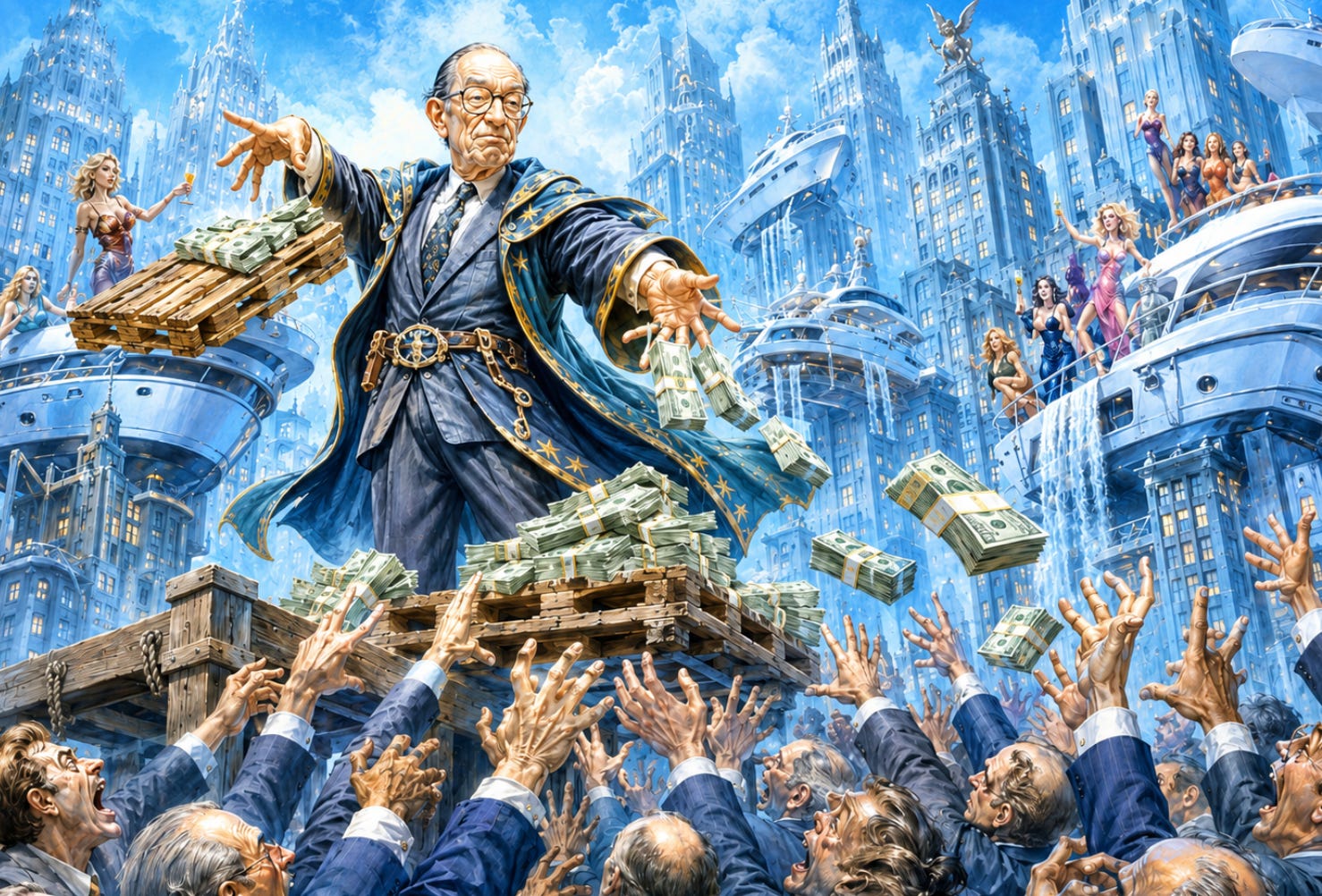
Alan Greenspan has died at the ripe age of a hundred.
Greenspan’s passing set off a tsunami of tongue-bath OpEds how the “Maestro” centrally planned the American economy for close to 20 years.
In reality, Greenspan turned the Fed into a permanent bailout machine that gets worse with each passing decade.

The “Maestro” at the Helm
Just 69 days after taking office in 1987, Greenspan was blindsided by a market crash that he used to turn the Fed from alleged economic referee into a bailout machine where the bankers keep the wins and taxpayers -- and dollar holders -- eat the losses.
This became known as the “Greenspan Put” — put means insurance in finance. And it’s the reason Boomers — and bankers — own everything while 40-something Millennials live in Mom’s basement.
Greenspan ran that machine for 20 years, all the way through 2006 when Greenspan lit his last boom-bust bomb, ending in the 2008 Financial Crisis that nearly set off a Second Great Depression.
Unfortunately, the bailout machine Greenspan built is now a permanent feature, with every subsequent Fed chair forced to pump til it breaks then bail out what’s left at your expense.

From Counterfeiter to Bailouts
So the Fed was created by bankers — the infamous Jekyll Island putsch — as a counterfeiting cartel that prints money, but not so fast the inflation puts voters on pitchforks.
Like a gasoline thief who siphons the neighbor a quarter-gallon at a time instead of draining tanks, which would get him caught.
The way central banks do this is guaranteeing bailouts for commercial banks — so-called “lender of last resort.” Which lets those banks lend money they don’t have -- they literally create type the loans from thin air. Which is why you need to open an account to get a mortgage — the bank created the money.
Then central bankers limit the printing to tidy quarter-gallon siphons using interest rates, which determine how much loans cost.
Lower rates mean cheaper loans — and more of them. Which artificially boosts growth, generates fees for wall street, and makes it cheap for the federal government to spend more than it has.
Everybody wins. Except pleb taxpayers and dollar-holders.
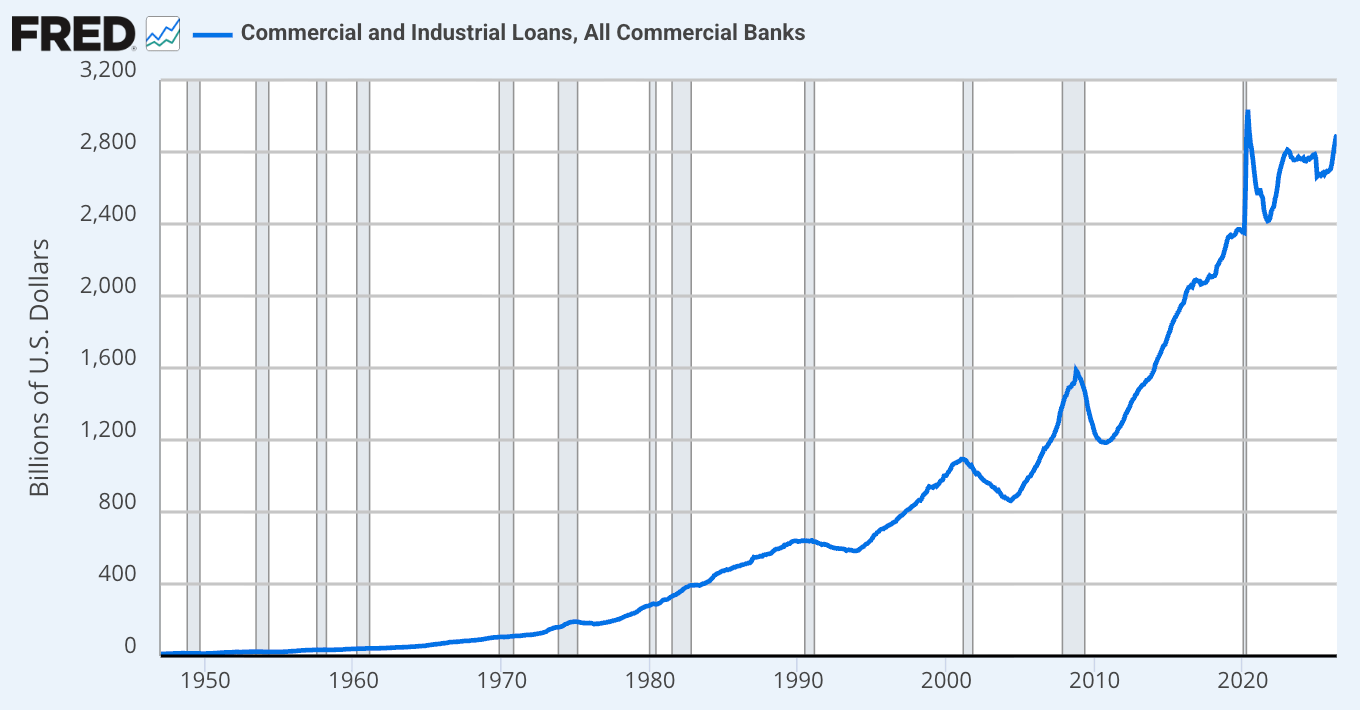
The problem is having a giant counterfeit machine is Frodo’s ring: It attracts pressure to cut rates too far -- which causes boom-bust inflation and recession.
And the even more insidious pressure from Wall Street to use that lender of last resort function to bail out not just boom-bust but speculation.
Because an iron law of finance is more risk is more return. If you tell gamblers they keep the wins but you’ll cover the losses they’ll go all in all the time.
And that’s where Greenspan comes in. Starting with that 1987 stock crash -- Black Monday -- Greenspan flooded the banking system with money, promising to keep flooding til every banker was solvent.
The Greenspan Put was born.

The Wall Street Greenspan Built
Bankers went from conservative portly men in glasses to the 1980s sharks fueled by hookers and blow.
Sharks who went on to fuel near-annual financial crises under Greenspan, from the S&L crisis and Tequila crises to the dot-com bubble. The 1994 bond market massacre. The 1997 Asian financial crisis. The 1998 hedge-fund bailouts.
The mother of housing bubbles in the early 2000’s.
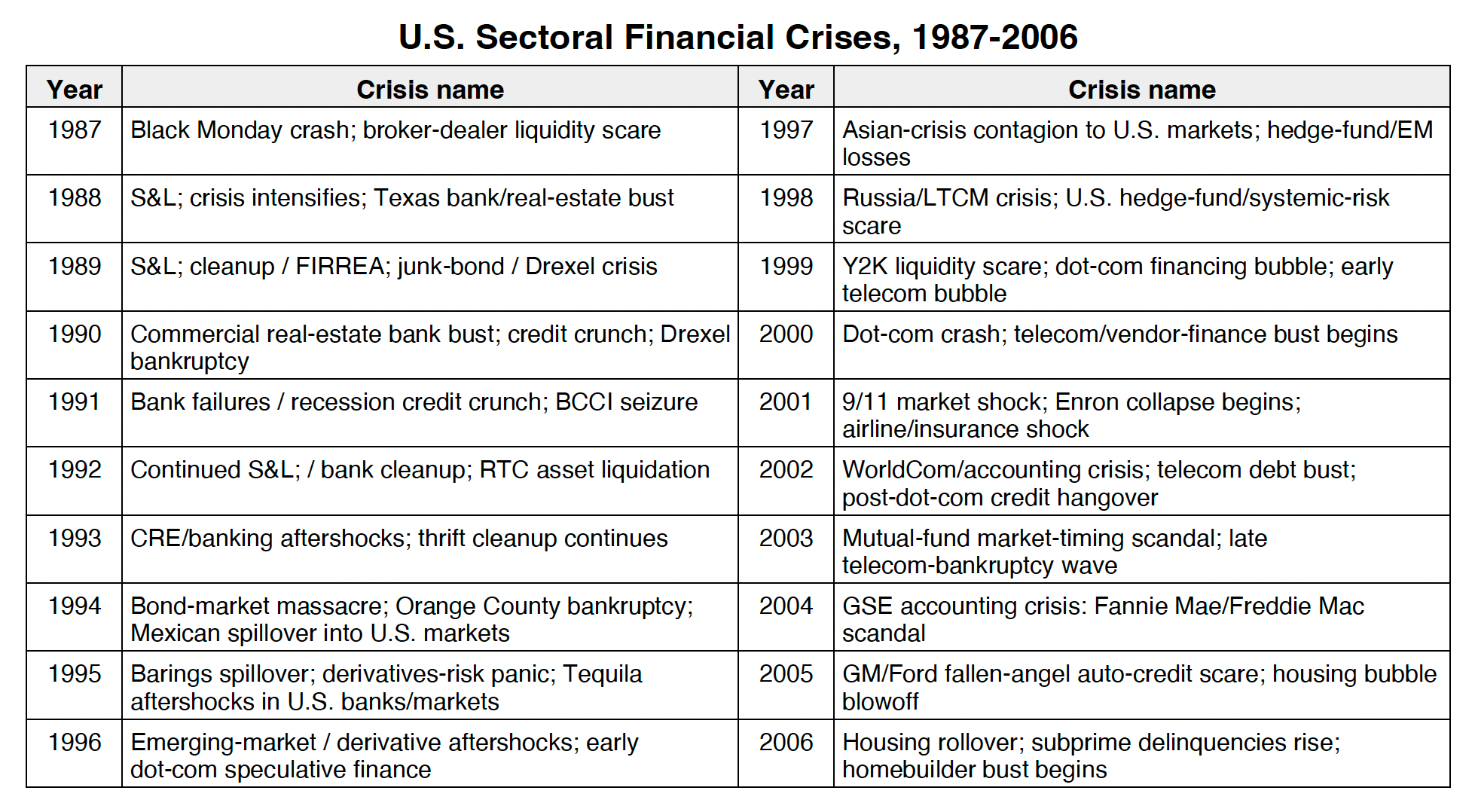
In every case, the sharks made billions. And in every case taxpayers and dollar holders got shafted.
When the smoke cleared finance quadrupled to become the third largest industry in America.
Worse, it put Wall Street on a risk house of cards that every Fed chair now must feed.
Our new Fed Chair Kevin Warsh has already bumped up against that, apparently ditching promises to reduce inflation by pawning Fed assets since Wall Street is now orchids in a greenhouse cannot survive in the wild.

What’s Next
Greenspan may be gone, but the bailout machine he built keeps growing. Fixing it is easy: Just announce the Fed won’t bail anybody out, if a bank fails it’s sold for scrap to more prudent banks.
Of course that would set off an instant 2008 crisis. Meaning it won’t happen.
The best Warsh can do is try and limit bailouts. But he’s locked in a straitjacket Alan Greenspan wove.
Every week I write on economics to 23,000 readers with regular deep dives into history like the Fall of Rome, the Weimar hyperinflation, or FDR’s Great Depression.
Subscribe for free to get 4 issues a month. Or choose the $8 subscription to support my work and get my monthly investment guide with model portfolios that have made nearly 50% annualized returns on $100,000 portfolio.
See you Next Week!
Central Bank credibility erodes as fast as they counterfeit currency.
Great article.
"The boom can last only as long as the credit expansion progresses at an ever-accelerated pace."
— Ludwig von Mises, Human Action